How I redesigned the Visionnaire website in 3D in 2 days
Nobody asked me to. I scraped 205 products from the Visionnaire Shopify (Bigflo & Oli's brand) and rebuilt the whole thing in 3D. Full build breakdown.
Category:
Design
Author:
Umut Sevinc
Time:
2 mins
Date:



The starting point
One Monday morning I opened the Visionnaire website — the streetwear brand by Bigflo & Oli.
A clean Shopify. Polished but generic. Like 95% of fashion brands in France.
I thought: what if their catalogue became an experience?
Step 1 — Scrape the catalogue
First step: get the real product data. Shopify exposes a clean JSON via /products.json, so a single Node script pulled:
205 products
13 collections
All high-res photos
Every price, description, and variant
No mock data. If the project ever caught the brand's eye, the real catalogue had to be the one running.
Step 2 — Pick the stack
The challenge: push the 3D without killing performance or maintainability.
Next.js 14 (App Router) — SSR for SEO, RSC for static zones
React Three Fiber + Drei — React wrappers around Three.js that cut 80% of the WebGL boilerplate
GSAP + ScrollTrigger — to sync DOM scroll with 3D positions
Lenis — smooth scroll on the main thread, otherwise R3F drifts
Tailwind — for everything still classic (header, footer, popup)
Custom GLSL shaders — chromatic aberration, grain, distortion
Step 3 — The 3D Image Tube
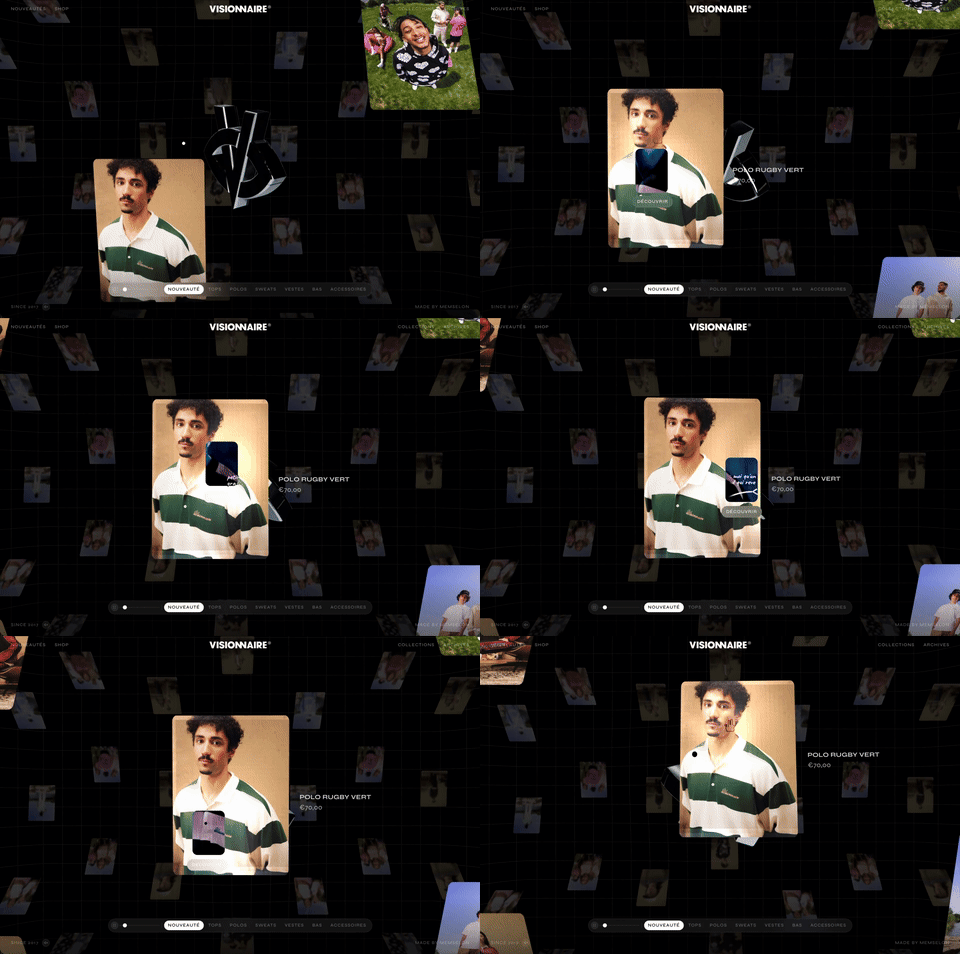
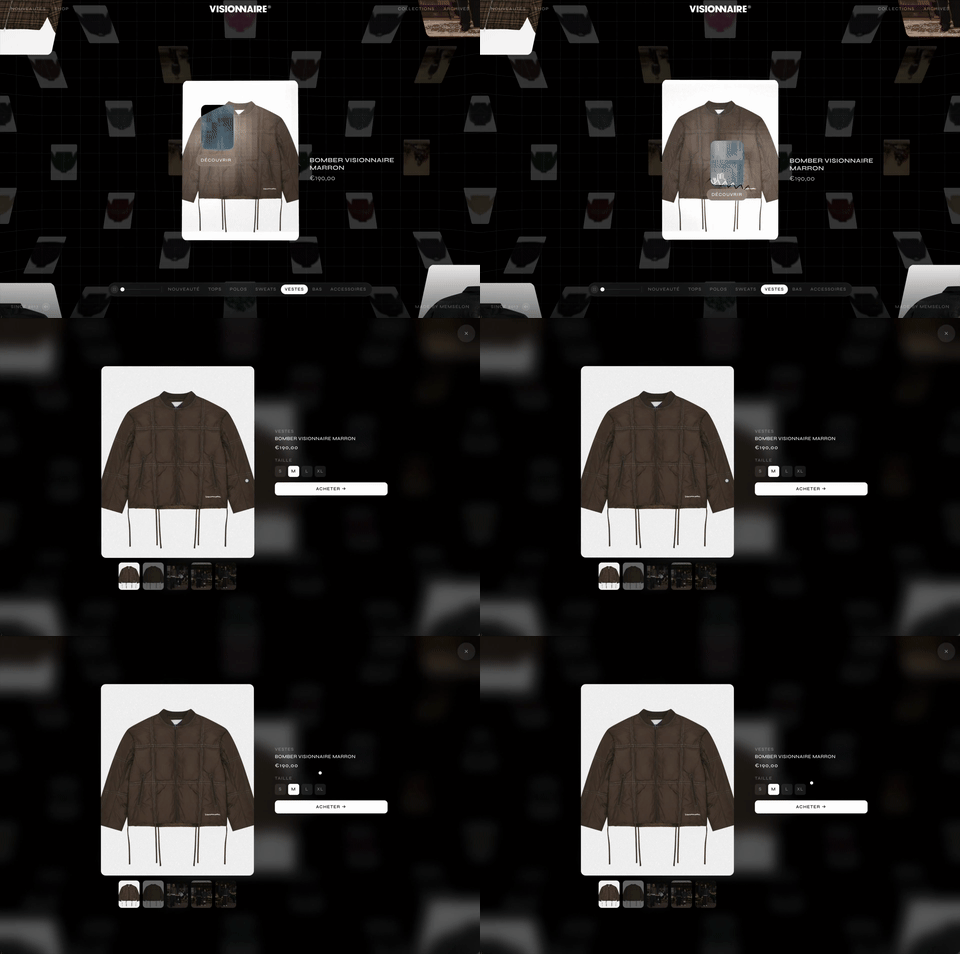
The heart of the experience: a 3D tube with product images scrolling as you move down the page.
Inspiration: the Codrops 3D Image Tube demo. I forked the concept and adapted it to e-commerce mechanics — every image in the tube is clickable, hover triggers the pixel halo, click opens the product popup.
The custom fragment shader applies:
Progressive chromatic aberration (stronger at screen edges)
Animated grain for the cinematic feel
Subtle distortion on high-velocity scroll zones
Step 4 — The details that make the difference
What separates a tech demo from a real brand experience:
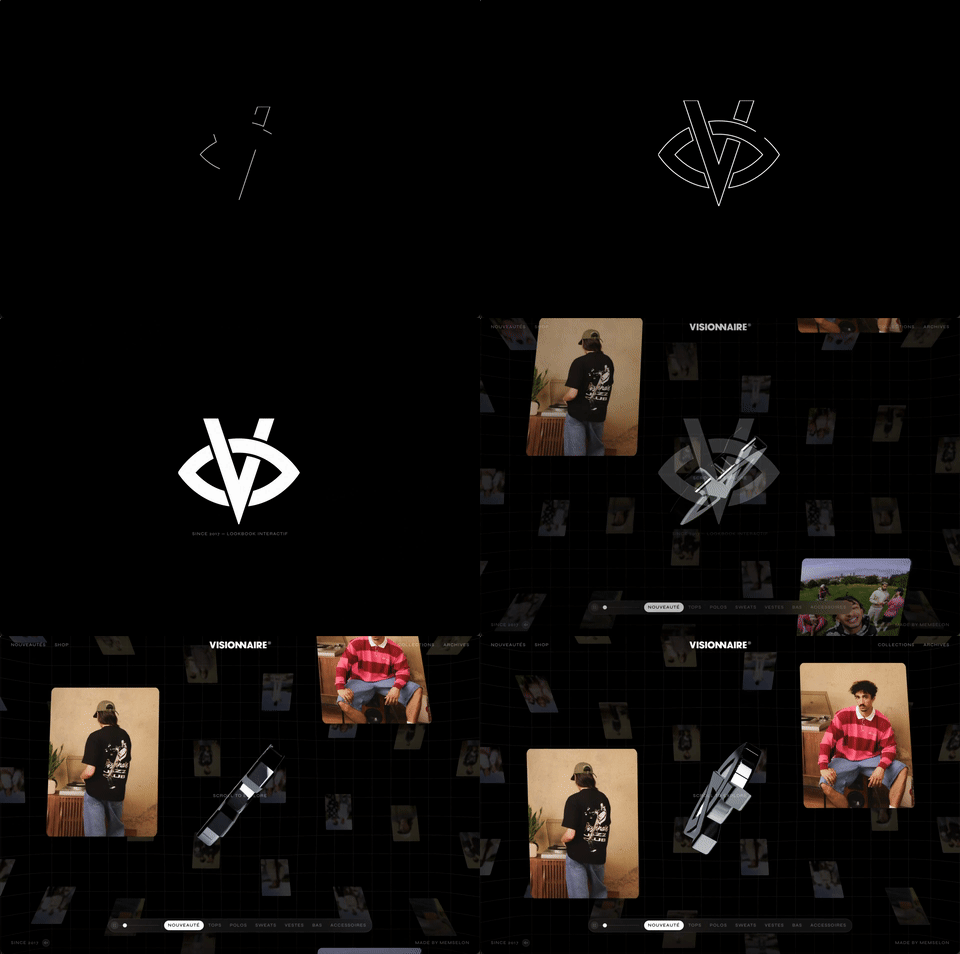
Extruded WebGL logo at load (Visionnaire logotype in 3D, reveal animation)
Ambient sound that starts on user opt-in, subtle fade out on every interaction
Easter eggs — hidden references to Bigflo & Oli tracks for fans who know (look closely)
Product popup with GSAP enter/exit animation, blur background, full info
Step 5 — Performance
3D on the web has a reputation: it lags. Decisions to stay smooth:
dprcapped at 1.5 (otherwise 4K retinas eat everything)Texture images lazy-loaded through Drei's
useTextureGrain overlay in CSS, not WebGL (saves a draw call)
Lenis on main thread to sync DOM/WebGL
Static fallback planned for mobile devices < 4GB RAM (still TODO)
Step 6 — Deploy
Vercel, two minutes: npx vercel. The project lives at visionnaire-3d.vercel.app.
Open it on desktop with a large screen. That's where the experience really takes shape.
Why I built this
Nobody asked. Visionnaire didn't commission this project. I built it on my own time, in 2 days, from Kuala Lumpur.
Because brands with a real identity deserve a site that lives up to their universe.
Not a Shopify template. An experience.